Browser Ports & Remakes
MHGURecomp Brings Monster Hunter Generations Ultimate to PC
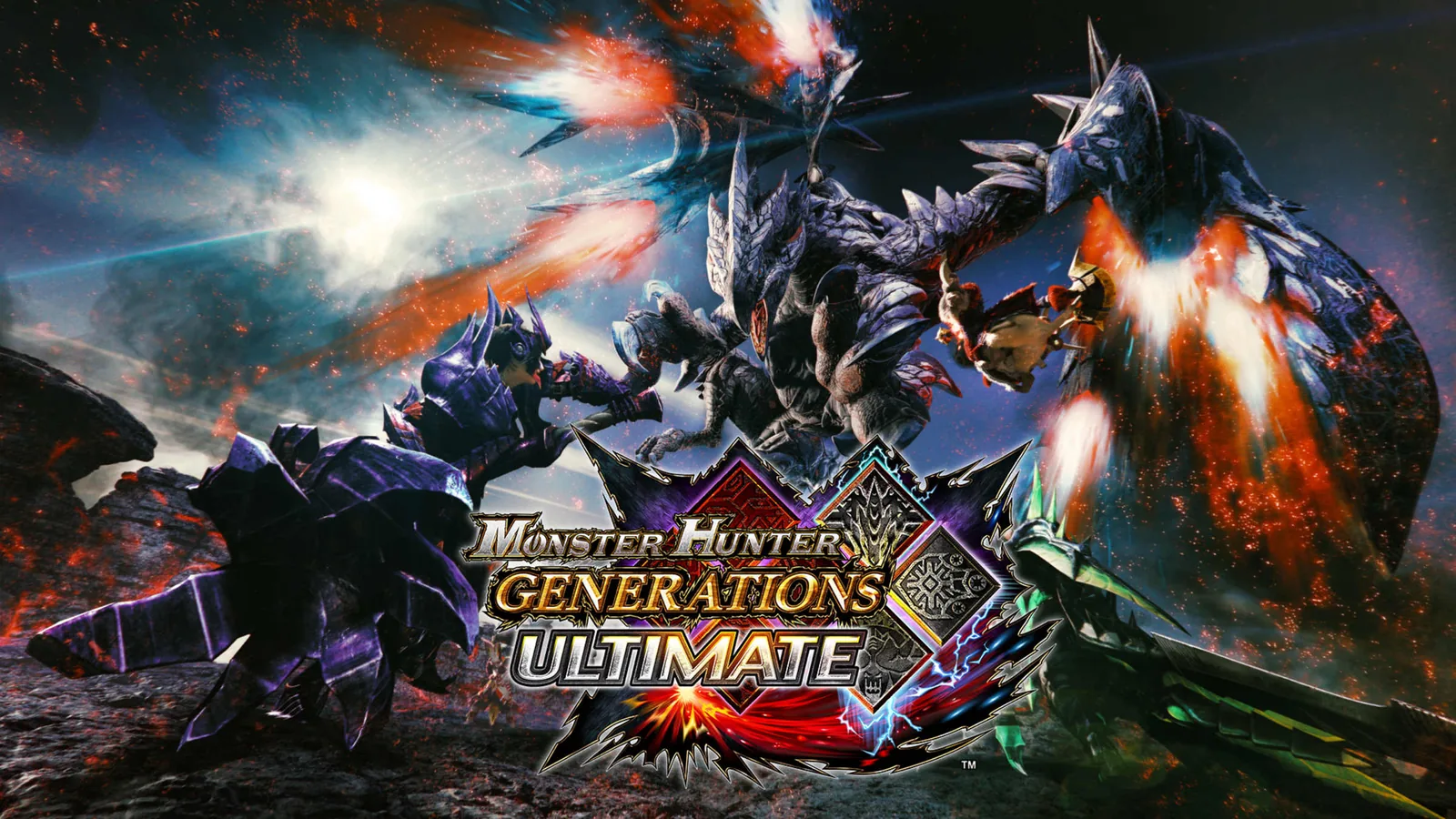
An unofficial native PC port project titled MHGURecomp has been announced on GitHub.

Key points
- MHGURecomp is an unofficial native PC port project for Monster Hunter Generations Ultimate.
- The project requires users to have their own copy of the original game files in order to play or build.
- GitHub repository details indicate the project uses the C programming language and is licensed under the MIT license.
Fans of classic hunting action have plenty of reasons to pay attention today, as a brand-new fan-driven project has just emerged on the horizon. An unofficial native PC port project titled MHGURecomp has been announced on GitHub, spearheaded by developer morerokk1. This ambitious endeavor aims to bring Monster Hunter Generations Ultimate directly to personal computers without relying on traditional emulation software1.
For a large segment of the community, this release represents a major shift in how classic titles can be experienced. Instead of running through resource-heavy layers of translation software, a native port compiles the original code to run directly on computer hardware. The GitHub repository details for the project went live recently, instantly catching the attention of enthusiasts who have spent countless hours tracking community conversion efforts1.
The primary goal of MHGURecomp is to bridge the gap between dedicated handheld hardware and modern computer rigs. While the project is still in its formative stages, the mere existence of a native recompilation effort for this specific title opens up fascinating possibilities for preservation and performance. Players who have cherished the portable hunting grind for years now have a brand-new focal point for their enthusiasm1.
Getting Started With The Port
To get the port up and running, users must supply their own legitimate copy of the game files1. The software itself does not ship with copyrighted assets, meaning players need to legally extract data from their own purchased versions to play or build the project1. This requirement ensures that the development stays grounded in community preservation rather than unauthorized distribution of proprietary assets.
Under the hood, the repository reveals specific technical choices made by the developer. The project is constructed using the C programming language and is distributed openly under the MIT license1. This licensing choice encourages collaboration and transparency within the developer community, allowing other programmers to inspect, modify, and contribute to the codebase as the port evolves.
Documentation for building and running the software is hosted directly on the project repository page, featuring multi-language support to assist global contributors1. Instructions guide technical users through the necessary steps to compile the source code using their provided game data. Because it relies on static recompilation concepts, the project requires specific source material to translate original instructions into native computer architecture.
Roots On The Nintendo Switch
The game at the center of this project originally landed on the Nintendo Switch as a massive celebration of the franchise's history2. It serves as an expanded version of a title that combined numerous iconic locations, monsters, and gameplay styles into a single massive package. Players select from distinct hunting styles and utilize Hunter Arts to pull off flashy moves against towering beasts.
Throughout its lifespan on hybrid hardware, the title earned a dedicated following of players who mastered its complex weapon trees and challenging multiplayer quests. It stands out in the series chronology for offering a staggering roster of monsters, covering nearly every generation of beasts that came before its release. The sheer volume of content made it a staple for veterans looking for deep tactical combat and extensive gear customization.
Community affection for this specific entry stems from its role as a grand retrospective of classic monster hunting design. Before the series shifted toward modern open maps and streamlined mechanics, this entry defined the classic era of positioning, item management, and deliberate combat pacing. Fans often return to it for the roster variety and the unique implementation of prowler mode, where players control Felynes directly.
What This Means For PC Hunters
The arrival of a native port project carries significant implications for anyone hoping to experience classic hunting sessions with modern hardware benefits. Running a game natively typically allows for smoother frame rates, higher resolutions, and customizable graphical settings that go far beyond the original console limits. For a title known for frantic multiplayer hunts, technical improvements can dramatically enhance the overall comfort of long play sessions.
Interested gamers should keep a close eye on the GitHub repository for updates, bug fixes, and community contributions. Because the project is open source under the MIT license, its growth depends heavily on community involvement and developer interest1. Anyone with technical know-how or a desire to follow the progress of native conversions will find plenty of development activity to track as the port matures.
Apside's take
I have always believed that fan-driven porting projects are the true guardians of gaming history. When major publishers leave beloved titles trapped on legacy hardware without official computer versions, passionate developers step up to do the heavy lifting. Seeing MHGURecomp appear on GitHub fills me with the kind of cautious optimism that only a lifelong fan of niche ports can truly understand.
What excites me most about this project is the shift away from messy emulation toward clean, native execution. There is something profoundly satisfying about seeing console code recompiled to speak the native language of a personal computer. At the same time, I know how fragile these preservation efforts can be, as they often require immense technical patience and reliance on user-supplied files to even boot up1.
I sincerely hope the community surrounding this repository flourishes and helps push the codebase toward stability. We need more open source projects like this, backed by permissive licenses like the MIT terms, to ensure our favorite classics survive changing hardware generations1. Until official channels start treating legacy libraries with the respect they deserve, fan engineers will remain my absolute favorite heroes in this industry.
Sources
- MHGURecomp: A native PC port of Monster Hunter Generations Ultimate. Requires the game's files to play or build.officialGitHub: morerokk/MHGURecomp
- Monster Hunter Generations UltimateofficialNintendo
Comments
Sign in to comment and like